rPET is recycled PET plastic that gives bottles a second life. It reduces waste, cuts CO₂ emissions, and helps meet global sustainability standards while delivering safe, durable products for businesses and consumers. Let’s explore how rPET works and why it matters for a cleaner, smarter future.
1. What is rPET?
rPET (recycled PET) is polyethylene terephthalate that has been recycled from used PET bottles and containers. After being collected, sorted, and cleaned, PET is shredded into flakes or pellets and reused to produce packaging, textiles, carpets, or other consumer goods. rPET offers nearly the same clarity and strength as virgin PET while reducing the need for new fossil-based raw materials.
Each year, the world generates over 460 million tons of plastic, most of it single-use, creating severe environmental pollution. Using rPET turns waste into new resources, cuts up to 60% of CO₂ emissions, and helps meet regulations in the EU and US requiring 25–30% rPET in packaging by 2030.
This solution delivers a double benefit: businesses stay compliant, save on raw material costs, and build a greener brand image, while consumers get safe, high-quality products and contribute to reducing plastic waste and supporting the circular economy.

2. Key difference between PET and rPET
PET (Polyethylene Terephthalate) is a widely used virgin plastic derived from petroleum, commonly found in water bottles, food packaging, and polyester textiles. In contrast, rPET (Recycled PET) is made by collecting and recycling used PET products, making it a more sustainable alternative:
- Material Origin: PET is produced from newly extracted crude oil, while rPET comes from recycled PET waste that has been collected, cleaned, and processed to be reused.
- Environmental Impact: rPET greatly reduces environmental harm – it lowers dependency on fossil resources, diverts plastic waste from landfills, and reduces greenhouse gas emissions by up to 79% compared to virgin PET production.
- Physical Properties: Both PET and rPET offer transparency, strength, and versatility. While rPET may appear slightly less clear when high amounts of recycled content are used, it still meets performance standards, especially when blended with virgin PET.
- Cost: Due to additional sorting, cleaning, and recycling processes, rPET tends to cost more than PET. Its price is also influenced by the availability and quality of recycled material.
- Recyclability: Both materials are recyclable multiple times. rPET, however, is central to a circular economy model and supports sustainable resource use.
- Marketing & Branding Advantage: rPET offers stronger communication potential for brands, especially for businesses targeting eco-conscious markets. Using rPET in product packaging or textiles enhances brand image, strengthens CSR (Corporate Social Responsibility) messaging, and aligns businesses with global sustainability trends – an added value compared to conventional PET.
3. Industries using rPET
The use of rPET has expanded across multiple industries thanks to its strength, clarity, and recyclability:
- Textiles & apparel: Nearly half of all rPET in the U.S. is turned into fibers for making carpets, clothing, and shoes. rPET fibers are durable, lightweight, and cost-effective, making them a preferred choice for manufacturers seeking sustainable materials for fashion and home textiles.
- Packaging for Food & Beverages: Bottles, trays, and containers made from rPET are safe for direct food contact and help brands meet recycling and sustainability goals. Its clarity makes it ideal for showcasing products on shelves, while reducing reliance on virgin plastic.
- Sheet & film applications: rPET is used to produce thermoformed sheets and films for clamshells, blister packs, and protective packaging. Its strength and transparency make it a great alternative to virgin PET while keeping production costs lower.
- Strapping & industrial use: Heavy-duty rPET straps are widely used for securing pallets and packages during shipping. rPET offers high tensile strength and resilience, helping businesses reduce costs while maintaining transport safety.
4. The rPET challenge
In the packaging industry, recycled PET (rPET) faces three major hurdles: higher costs, contamination, and limited supply:
4.1 Cost
While virgin PET remains widely used because it is simple to produce by combining PTA and MEG, rPET takes a longer route. Bottles must be collected, sorted, cleaned, and reprocessed into high-quality flakes or pellets before being used again. Each step can lead to yield loss and extra cost, which is why rPET is often more expensive than virgin PET.
This higher cost reflects the value it delivers. rPET turns plastic waste into new raw material, keeping millions of bottles out of landfills and oceans. It also reduces greenhouse gas emissions by up to 65–79% compared to virgin polyester and helps meet global regulations that require recycled content in packaging.
For businesses, rPET supports ESG goals, compliance with circular economy policies, and long-term supply stability. For consumers, it means access to sustainable products from packaging and textiles to carpets and consumer goods while contributing to a cleaner, healthier planet.
4.2 Contamination
Contamination happens when the wrong materials enter the recycling stream – like greasy pizza boxes, paper coffee cups, or hoses—or when the right materials are placed in the wrong way, such as bottles with food left inside or recyclables bagged in plastic.
Most programs only accept basic items like bottles, cans, containers, cardboard, and printed paper, which means there are thousands of non-recyclable items that often still end up in bins. A few simple steps can help reduce contamination:
- Recycle only empty bottles, cans, paper, and cardboard.
- Remove food and liquids before recycling.
- Keep plastic bags out of the bin—return them to retailers instead.
4.3 Quantity
The supply of rPET depends on both consumer participation and the availability of convenient recycling programs. The more people recycle, the more rPET will be available. However, the current U.S. recycling infrastructure and state-by-state policy differences still limit the amount of PET that actually reaches reclaimers. The International Bottled Water Association (IBWA) has proposed a Material Recovery Program framework that local communities can adopt to:
- Set clear recycling access and participation goals,
- Generate revenue through producer responsibility fees and government support,
- Fund infrastructure upgrades and consumer education programs,
- Wind down the program once local recycling is self-sustaining.
From a manufacturer’s perspective, these challenges require collective action. Consumers, local governments, and businesses all play a role: better sorting reduces contamination, better infrastructure increases recovery rates, and long-term commitments from end users stabilize the market. With improvements across the chain, rPET can become more affordable, more widely available, and a true alternative to virgin PET.
5. How you can support rPET recycling
Recycling doesn’t stop after a product leaves the shelf it starts with all of us. Whether you’re a business or a consumer, small actions like recycling correctly, choosing rPET products, and supporting local recycling programs can make a big impact. Here’s how you can take part:
5.1 If you’re a business
Collect and recycle your used PET bottles to lower raw material costs and turn waste into a valuable resource instead of letting it end up in a landfill. Work closely with recycling partners to make sure your company meets environmental regulations and avoids costly penalties as ESG standards become stricter every year.
Consider investing in local rPET production. This helps secure a stable supply, control prices, and build a responsible, trustworthy brand image that customers respect.
5.2 If you’re a consumer
Dispose of PET bottles in the correct recycling bins so they can be turned into new products rather than polluting landfills or oceans. This keeps your neighborhood cleaner and healthier.
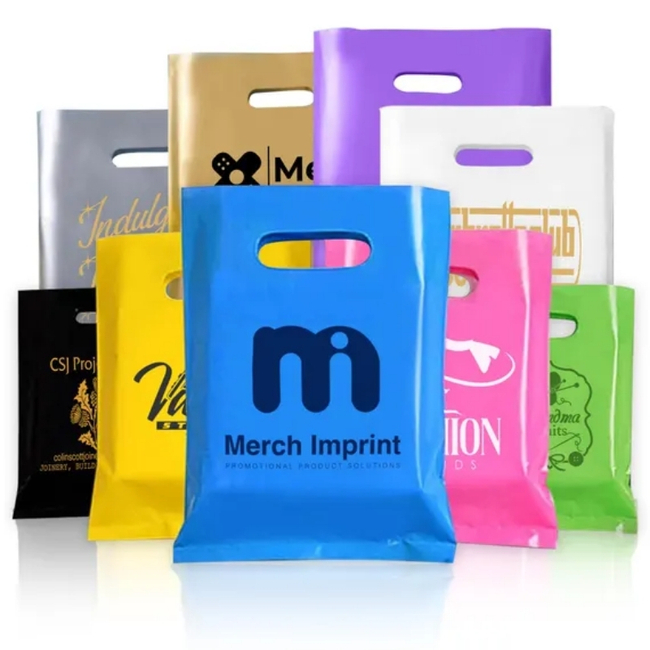
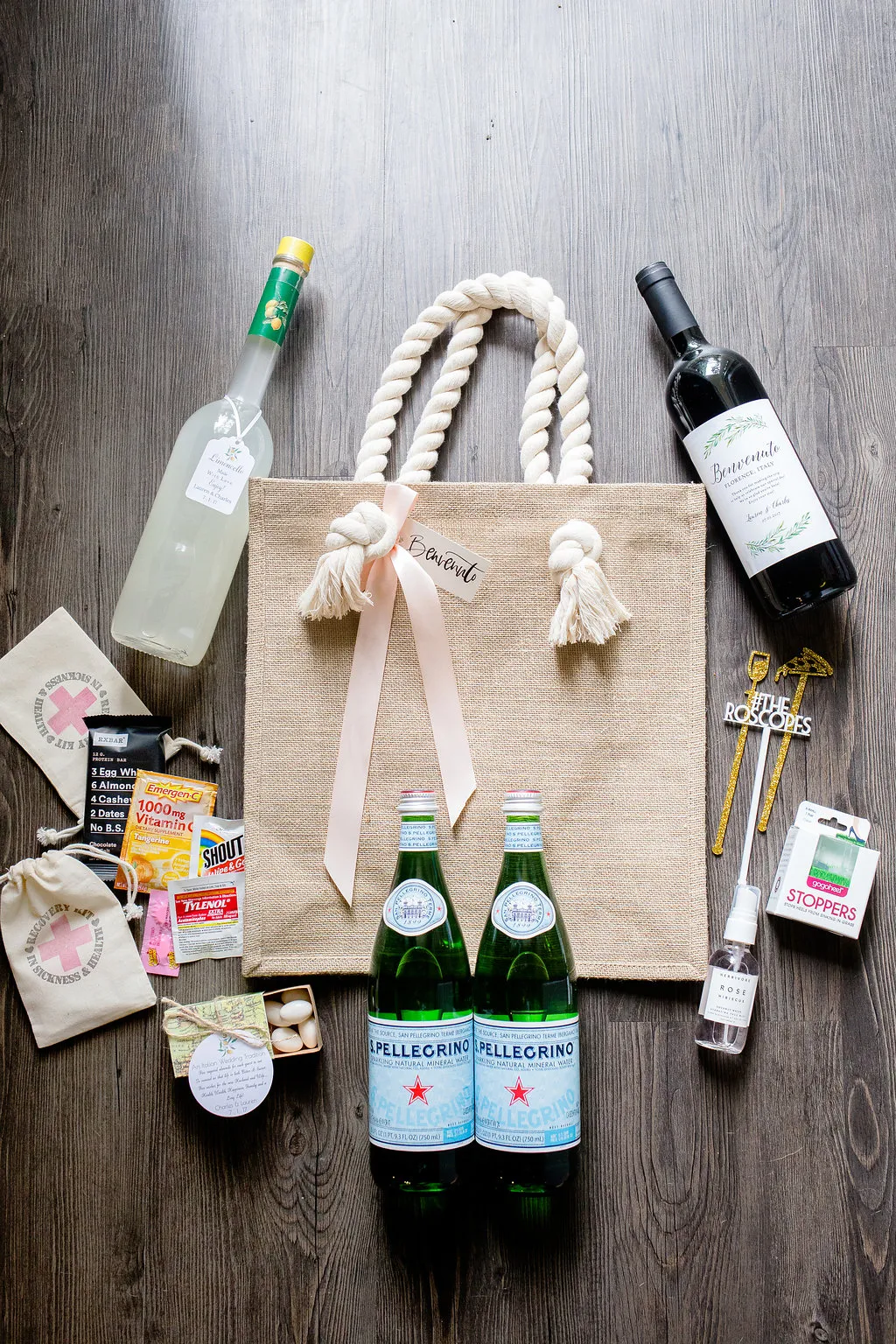
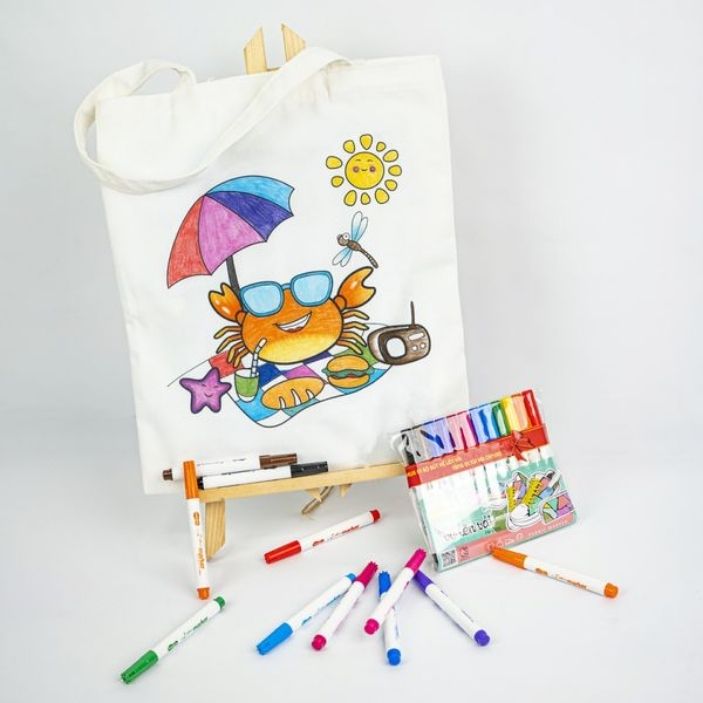
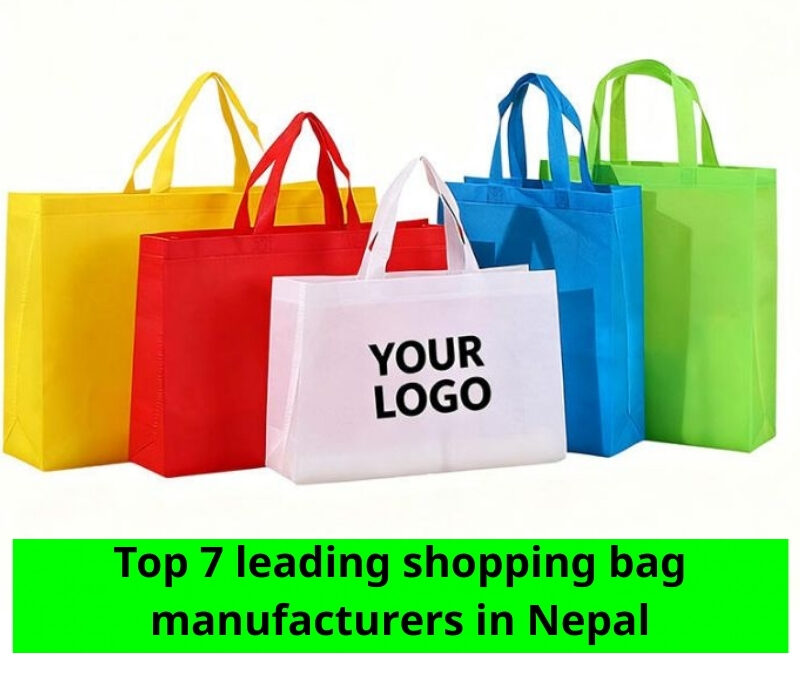
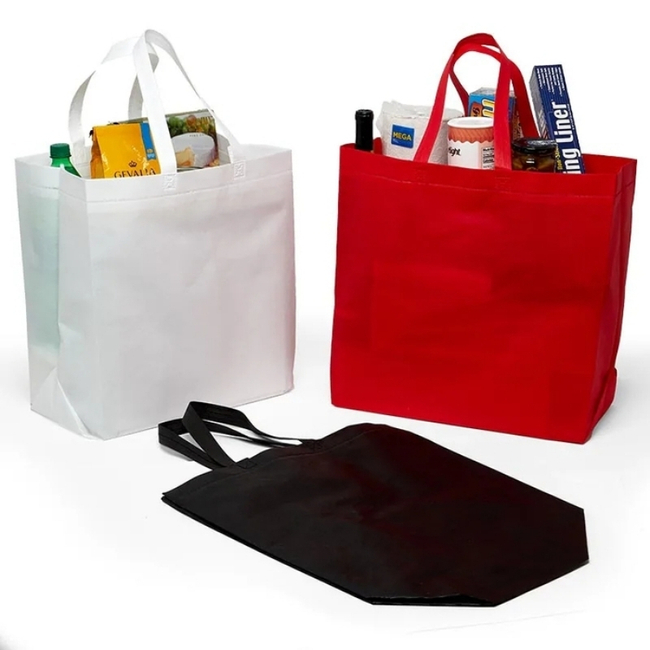
Look for products made from rPET – such as reusable rPET bags, clothing, carpets, or food containers. These products are durable, practical, and every purchase directly reduces plastic waste. Encourage your friends and family to recycle with you. Building these habits together keeps streets clean and creates a better environment for everyone.

6. What we do with rPET
There are many factories worldwide producing and recycling rPET bags. If your priority is the lowest possible cost, there are plenty of Made-in-China options on the market. But if you care about high quality, strict processing, and international compliance, we are your trusted choice.
K-Packing rPET bags are made from recycled PET bottles, turning post-consumer plastic into durable, lightweight, and reusable packaging. Proudly made in Vietnam, every bag is produced under ISO-certified processes, carefully inspected, and customizable with logos, colors, and designs – helping businesses cut costs in the long run, show a clear green commitment, and create a professional impression with their customers. Here’s how we turn recycled bottles into high-quality reusable bags you can trust:
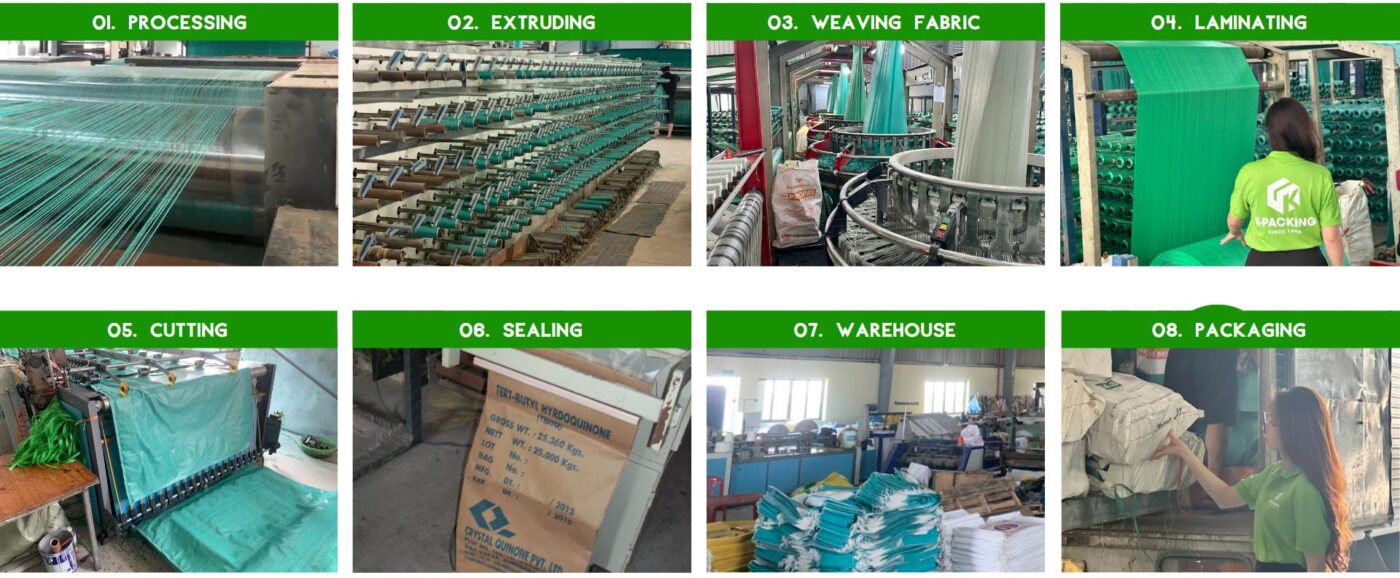
The full manufacturing process has many technical steps, but here are the 5 key stages that ensure our bags meet strict durability and export standards:
- Step 1: Raw material preparation: Collected PET bottles are cleaned, shredded, and processed into rPET pellets. These pellets are blended with color and additives to meet strength, durability, and food-contact safety standards.
- Step 2: Fabric production: The rPET pellets are melted and extruded into fine filaments, which are then woven or bonded into strong rPET fabric. For premium orders, we add BOPP lamination to improve water resistance and create a smooth surface for vibrant printing.
- Step 3: Cutting to design: The fabric is precisely cut to the approved size and shape — including side panels, gussets, zippers, or foldable formats — ensuring perfect fit and functionality.
- Step 4: Sewing and finishing: Each piece is sewn or heat-sealed together, handles are attached, and custom printing or logos are applied to match the client’s design requirements.
- Step 5: Quality control & packaging: Every bag undergoes strict inspection for stitching strength, color accuracy, and print quality. Defective items are removed before the bags are packed to export standards and shipped worldwide.
Choosing rPET means choosing a smarter way to use plastic
From packaging and textiles to carpets, strapping, and consumer goods, rPET gives plastic bottles a second life instead of letting them pollute landfills and oceans. By supporting rPET, businesses can meet global sustainability goals, reduce costs, and strengthen their green reputation. Consumers get durable, safe, and good-looking products while actively helping reduce plastic waste and carbon emissions.
Together, we can turn post-consumer plastic into valuable resources and build a cleaner, more sustainable future for everyone.