Buying grocery shopping bags wholesale is not just about getting a low price. The bags you choose affect how smoothly your operations run, how comfortable it is for customers to carry their groceries, and how often your company needs to reorder. When the size, material, and specifications are chosen correctly, a simple grocery bag can support your workflow, protect your products, and help your business avoid unnecessary costs.
In this article, you’ll find practical insights that help you avoid the most common mistakes in bulk purchasing. With a few smart adjustments, your company can improve durability, reduce waste, and manage inventory more efficiently. These improvements give you better performance, lower long-term costs, and greater confidence when placing your next wholesale order, strong reasons to keep reading before you buy.
1. Not planning ahead for production and lead time
This is the mistake that costs companies the most. When you place orders too close to your launch date, you’re forced to choose whatever is in stock instead of getting bags customized to the right size, GSM, or branding. That usually increases your cost by 12–25% because you lose material optimization and bulk-production advantages. You also miss out on 20–40% in potential logistics savings, since urgent shipments require faster and more expensive shipping methods.
Production for non-woven and PP woven bags typically takes 18–28 days, plus 10–15 days for shipping. If you order late, your bags may not arrive in time for seasonal promotions, store openings, or marketing campaigns. This can directly affect your revenue. The safest approach is to lock in your order 2–3 months in advance so your company has guaranteed production capacity and timing.

2. Choosing low-quality or overly thin materials
This is the mistake that quietly damages your brand. Grocery bags made from thin non-woven fabric (around 60–70 GSM) often last only 5–10 uses before tearing or losing shape. Increasing GSM to 80–100 boosts durability by 30–50%, while higher-grade materials (100–120 GSM) can last 2–3 times longer, which helps your company reduce reorder costs by 25–35% over time.
Poor materials lead to visible consequences: handles snap, seams split, and customers complain directly to you. Bags with your logo can look worn out after just a few uses, hurting your brand perception. You may also have to discard 10–20% of the shipment because of quality issues. To avoid this, choose material thickness that matches real grocery use, typically 80–120 GSM, and always request testing on stitching strength and handles before approving production.
3. Ignoring weight capacity
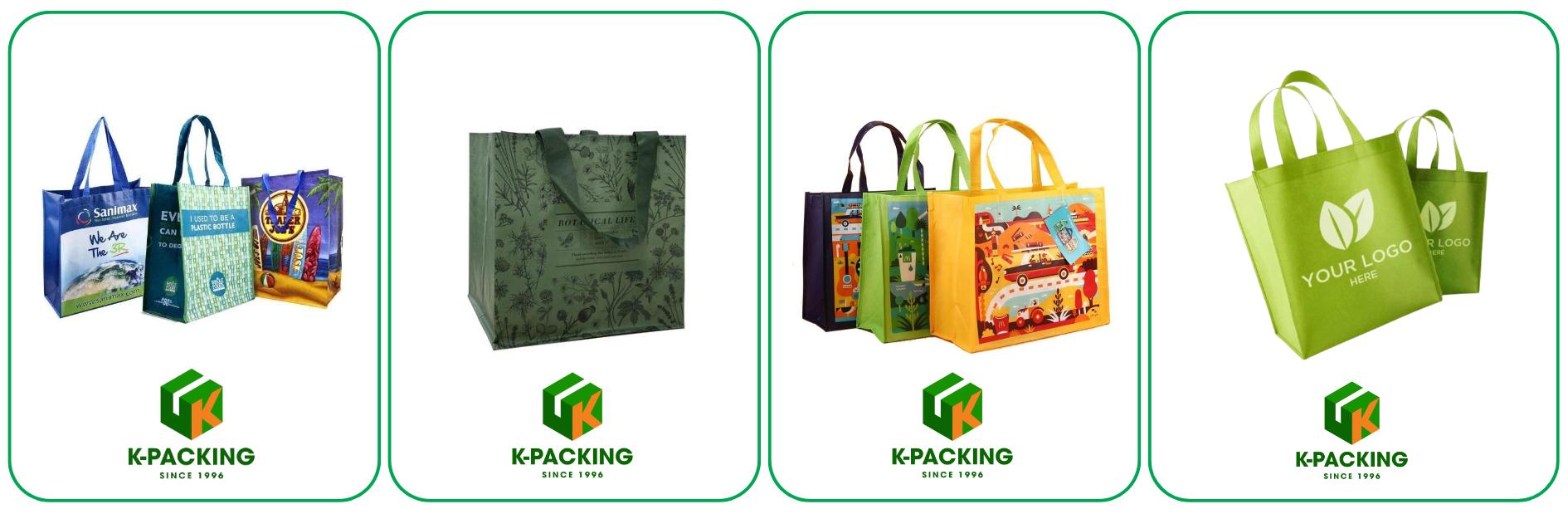
Many companies pick bags that look nice without checking actual load capacity. This often creates avoidable costs. Bags that are too small won’t fit typical groceries. Bags that are too large increase material usage by 8–15%. Bags without reinforced bottoms lose 35–50% of their durability.
Manufacturing data shows that using the wrong size or GSM leads to 10–18% material waste and increases the failure rate by 15–22% under heavy loads. Eventually, you end up reordering earlier than planned, increasing your cost and complicating your supply schedule.
To avoid this, define exactly what the bags will carry and choose sizes that work well for grocery use, such as 30×35×20 cm or 32×40×20 cm. Always ask your supplier for real weight-capacity specifications and test sample bags using your actual products.
4. Choosing the wrong bag sizes and styles
Many buyers underestimate how important sizing is. Bags that are too small can’t fit standard grocery items, forcing customers to use multiple bags. Bags that are too large waste fabric and increase your material cost by 8–12% without adding real value. Style mismatches also create problems. For example, W-cut bags may work well for lightweight items, but grocery loads usually need box-shaped bags with reinforced bottoms.
Ordering the wrong size means you either frustrate customers or you spend more money than necessary on production. The simplest way to avoid this is to request physical samples in the exact sizes you want. Test them using your real products to confirm that the volume, depth, and comfort level fit your store’s daily operations.
5. Overlooking durability and reusability standards
This is a mistake many companies don’t notice until complaints start rolling in. Cheap reusable bags may look fine at first, but if they cannot survive repeated use, they end up creating more waste and damaging your brand reputation. Increasing the durability of your grocery bags can reduce replacement and reorder costs by 20–30%, especially for stores that encourage customers to reuse bags.
Many regions now expect reusable bags to handle dozens of uses, and some guidelines recommend designing them to survive up to 100 uses. Poor stitching, weak handles, and thin fabric all shorten the life of a bag dramatically. Choosing stronger materials and double-stitched handles helps your company maintain quality and meet customer expectations.
6. Skipping sample approval before mass production
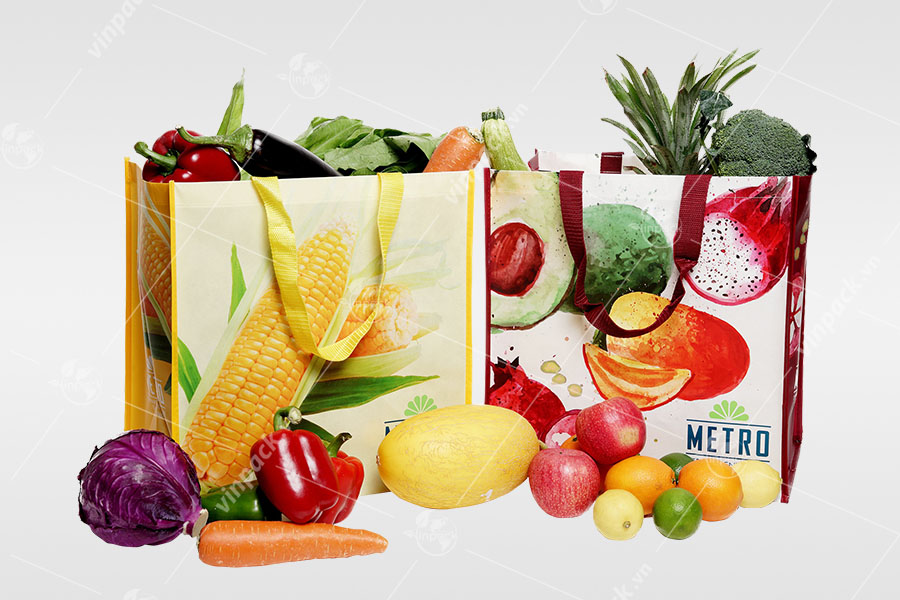
This is one of the most common and costly mistakes in bulk ordering. Digital mockups always look perfect, but the physical product can reveal major issues such as inaccurate colors, lower fabric quality than expected, uneven printing, or weak stitching. If you do not approve a sample beforehand, these problems only show up after thousands of bags have been produced.
Rejecting or reworking a full batch can cost your company 15–40% of the order value, depending on how much has to be redone. Always insist on receiving and testing a final sample. Check the feel of the material, the accuracy of your logo, and the comfort of carrying the bag with real groceries. Approving samples is the easiest and fastest way to prevent expensive mistakes.

7. Ignoring environmental and regulatory requirements
Many markets now enforce strict rules about reusable bags, recycled content, and materials allowed in retail stores. If your bags do not meet these requirements, your company could face delays at customs, additional certification costs, or even full shipment rejection. Regulations can also affect customer perception. Bags that are advertised as eco-friendly but tear quickly can undermine your sustainability message and harm your brand.
Understanding requirements such as minimum recycled content, labeling rules, or fabric thickness can protect you from unnecessary risk. Some materials that seem “green” at first glance may actually perform worse in real conditions or create hidden waste. Working with suppliers who provide proper certifications helps ensure your bags align with environmental expectations and stay compliant in every target market.
Conclusion
These are the key mistakes that many buyers encounter when purchasing grocery bags wholesale. By understanding them in advance, you can make smarter decisions, avoid operational risks, and ensure that every shipment meets the standards your company expects. If you ever feel uncertain, simply request a sample or ask for clearer specifications from your supplier. These small steps give you full confidence before placing large-volume orders for your business.
Whether you manage a supermarket, a distribution network, or a retail operation, working directly with a reliable factory partner gives your company more control, better consistency, and clearer visibility over quality and production timelines. That is the core advantage of choosing a factory-direct supplier.
Get Your Company’s Best Factory Price and a Free Sample Now
Experience K-Packings’ global factory-direct quality before placing your wholesale order. We support buyers worldwide with fast quotations, OEM/ODM customization, and a free grocery bag sample delivered directly to your address.
📞 WhatsApp / Phone: (+84) 855 555 751
📧 Email: info@k-packings.com | sale@k-packings.com
🌍 Address:
🇻🇳 VIETNAM (Head Office & Factory): 169 Nguyen Ngoc Vu Street, Cau Giay District, Hanoi
🇦🇴 ANGOLA: Av. Pedro de Castro Van-Dúnem Loy, Luanda
🇺🇸 USA: 7319 N. Loop 1604 E, San Antonio, TX 78233